
Avoid Scams: Your Guide to Safe Money Exchange Abroad
Traveling and exchanging money abroad? Learn about important currency exchange tips to ensure you get the best rates and avoid potential scams.
Insights and blogs
Dec 11, 2025
Key Takeaways
Doing your due diligence before the trip, such as researching forex rates and the local currency, can help you avoid poor rates and risky transactions.
Don’t carry all your cash in one go. Bring only what you need, mix cash and card use, and exchange money in small denominations.
Only exchange money at official exchange points, always keep your proof of transaction, and remember to be discreet when handling cash in public.
Planning a trip abroad is exciting, but don’t let the thrill make you overlook one important detail: exchanging your money safely.
Currency exchange might seem like a quick errand, but if done carelessly, it can lead to stress and losses. Making smart decisions ensures you get the most out of your cash while staying protected.
Top 10 Tips for Exchanging Money Abroad
Let’s look at some important tips for currency exchange to keep you and your budget safe.
1. Do Your Homework Before You Fly
Before your trip, take a moment to familiarize yourself with the local currency. Research current foreign exchange rates, comparing the Philippine Peso (PHP) to major currencies like USD, EUR, or your destination’s local currency.
Use trusted financial websites or apps to stay updated on forex rates. These tools can provide a quick snapshot of whether the peso is weak or strong, helping you decide when to convert and how much to exchange. Check out this guide for more information on how to interpret forex charts.
Remember, a little preparation goes a long way! Knowing the standard rates helps you spot if a money exchange counter is offering a bad deal.
2. Bring a Mix of Cash and Card
While it’s smart to carry local currency for small expenses, you don’t need to bring your entire budget in cash. Use credit or debit cards for bigger purchases and online transactions.
Credit cards, especially those with low foreign transaction fees, are ideal for hotels, restaurants, and shopping. Carry only the amount you need in cash to avoid carrying a large sum.
And if your card is widely accepted abroad, this can serve as a backup if you're unable to find a safe money exchange counter. ATMs often give better exchange rates but be sure to check with your bank first to understand the transaction fees.
3. Don’t Exchange Everything at Once
It may seem convenient to change a large sum of money in one go, but it's safer to do so in smaller amounts over time. This reduces the risk of losing your money if your wallet is lost or stolen and helps you take advantage of better rates during your trip.
4. Avoid Exchanging Money at the Airport
For those wondering, is it better to exchange money abroad? The short answer is yes, but you should exchange a small amount of local currency before your trip to cover initial expenses.
You’ll often find better rates in the city, so save your exchange for when you arrive instead of doing it at the airport.
5. Use Trusted Money Changers and Banks
Choose licensed and reputable money changers or banks when exchanging currency. Tourist-heavy areas have stalls that may appear legitimate. But the truth is, some of these counters operate illegally or charge hidden fees.
Check online reviews and ask locals to find credible money changers or opt for banks whenever possible. This is a crucial currency exchange tip that keeps you from falling victim to a scam.
6. Learn to Spot Common Money Changer Scams
Unfortunately, money-changer scams are common in busy cities and touristy areas. Here are a few red flags to watch out for:
● Switcheroo Trick. They show you one rate but apply a different one when counting your cash.
● Distraction Tactics. Someone talks to you while the changer counts incorrectly or slips in counterfeit bills.
● Fake Notes. You receive currency that appears genuine but is actually counterfeit and unusable.
● Rate Boards Without Full Fee Disclosure. They post attractive rates, but slap on a hidden service fee at the end.
● Partial Counting. You’re shown a full stack of bills but handed a smaller amount.
Stay alert, count your money carefully, and never be pressured into exchanging cash quickly.
7. Use ATMs Strategically
Sometimes the best rates are from ATMs—but be strategic. Look for bank-affiliated machines to avoid high withdrawal fees. Decline dynamic currency conversion (DCC), which allows merchants or ATMs to charge you in your home currency instead of the local one. Always choose to be charged in the local currency instead.
8. Know the Local Laws on Currency
Some countries have rules regarding the amount of cash that can be brought in or taken out. Research these before you go. Knowing these laws helps you avoid legal issues, fines, or the confiscation of your money. Plan your currency exchange based on local policies for a hassle-free trip.
9. Keep Your Receipts
For a safe money exchange abroad, always keep the receipt or transaction slip. This helps you keep track of the forex rate and serves as proof in case any issues arise, such as receiving damaged currency or disputing an incorrect fee.
If you're asked questions at customs or need to reverse a transaction, a receipt provides documentary proof.
10. Stay Discreet When Handling Cash
Avoid counting or displaying large amounts of money in public. Find a quiet and secure place—ideally inside your hotel room or a private area—to organize your cash.
Use a money belt or pouch for added security. Always carry a backup source of funds, such as a card or mobile payment method, in case you encounter any issues.
You worked hard to save for this trip—don’t let simple money mistakes ruin it.
Preparation is key. Knowing foreign exchange rates, researching local laws, and planning when and where to exchange money can help you avoid poor rates and risky transactions. Don't carry all your cash in one go—bring only what you need and use ATMs or reputable money changers for better rates and lower risks.
Lastly, safety and awareness go hand in hand. Scams and hidden fees are common, so stay alert, handle money discreetly, and keep receipts to protect yourself.
Ready to go? Use these smart currency exchange tips to take the hassle out of handling money abroad. Talk to your bank about secure exchange options, card travel features, and helpful tools that support your journey.
Frequently Asked Questions
1. Is it better to exchange currency at the airport or at an ATM?
It is generally better to exchange money at an ATM, as they usually offer more competitive rates. However, check your bank’s ATM withdrawal fee abroad before withdrawing to avoid extra charges.
2. What is the best time of day to exchange currency?
Exchange rates fluctuate throughout the day based on global market movements. While there’s no exact “perfect” time, it’s usually best to check forex charts early in the day when markets are active and rates are freshly updated.
3. How much money should I exchange before traveling abroad?
Convert just enough money for the first 24 hours to cover airport transfers, meals, and small purchases. Then look for better rates once you arrive at your destination.
Discover More Banking and Financial Tips

How to Access Your Funds When Traveling Abroad
It pays to be familiar with foreign exchange rates when you are on an overseas trip.
Read more

Gen Z Tips: What Are Ways of Avoiding Financial Scams
Discover what are ways of avoiding financial scams and how Gen Z uses tech and awareness to...
Read more
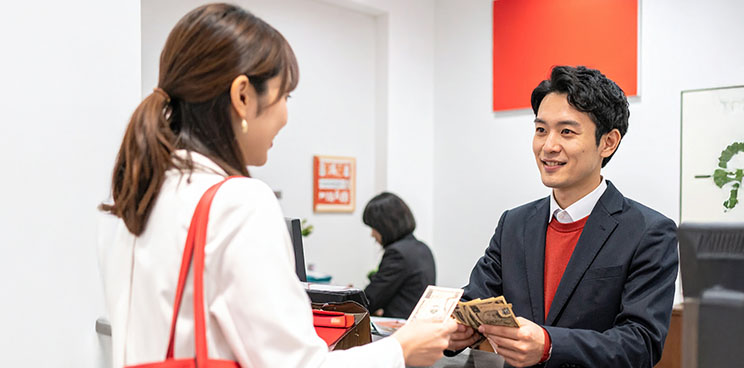
Is It Better to Exchange Your Money in the Philippines?
Traveling abroad? Discover the best places to exchange money in the Philippines and the fac...
Read more

How to Pay Your Credit Card Bills Online
Experience a smooth-flowing process the next time you pay for your credit card bill.
Read insights blog
5 Key Terms in Your Credit Card Statement You Must Know
By understanding these terms, you can effectively manage your credit card usage, avoid fees...
Read insights blog
Customer Support
For inquiries and comments, please send us a message or call our 24-hour BPI Contact Center at (+632) 889-10000.