
Finding Reliable Places to Exchange Money in the Philippines
Discover where to exchange money for your next trip and get fair rates and safe transactions through trusted currency exchange providers.
Insights and blogs
Dec 11, 2025
Planning a trip involves managing your travel funds wisely. Most of you wonder, “Where can I exchange foreign currency?”
It’s a simple question that can make a big difference in the value and security you get for your money. The legitimacy of the provider is important when dealing with large amounts or unfamiliar currencies.
Here’s a quick guide to the safest places to exchange your money in the Philippines.
Where is the Best Place to Exchange Money in the Philippines?
Currency exchange in the Philippines is available through different regulated channels. Here are five of the most trusted places to exchange your money:
1. Banks
Pros: Highly secure, regulated, and transparent
Cons: Limited operating hours and longer queues during peak times
Banks are widely regarded as the safest option for exchanging currency in the Philippines. Regulated by the Bangko Sentral ng Pilipinas (BSP), it enforces strict rules to ensure fair and secure transactions.
Banks offer consistent and transparent forex rates, which you can verify on their websites. They are ideal when exchanging large amounts or foreign currencies that are less commonly traded.
2. Money Changers
Pros: Competitive rates and accessible locations
Cons: Risks of dealing with unlicensed operators and counterfeit money
Authorized money changers are a practical and reliable option for exchanging currency. They offer competitive rates and are easily accessible in many locations.
Choose one that’s licensed by the BSP and shows its registration certificate and updated rate board. You’ll often find reputable money changers in malls and commercial districts.
3. Airport Counters
Pros: Safe, convenient, and available during flights and layovers
Cons: Lower exchange rates due to airport fees and operational costs
Airport currency exchange counters are convenient, especially for travelers who need local cash immediately after landing or before departure. These counters offer a quick and secure option, though they often charge higher service fees.
It’s best to exchange only a small amount at the airport and look for better rates later in your destination.
4. Hotels
Pros: Safe and convenient for travelers
Cons: Lower exchange value and limited to certain currencies
Some hotels provide currency exchange services for their guests. Hotels usually work with partner banks or licensed money changers, which helps ensure the authenticity of exchanged bills. It is ideal for small transactions when you prefer not to leave the premises.
This option is safe and easy, especially for travelers staying within the property. However, the rates may not be as competitive as those of banks or currency exchange services.
5. Online Platforms and Digital Banks
Pros: Fast, available 24/7, and allows quick rate comparisons
Cons: Not suitable for those who need physical cash; requires internet access and account verification
Exchanging money has become more convenient with digital tools. Some online services now provide live rate updates, currency conversion, and money transfers all in one place.
Ensure the platform you use is licensed and adheres to security standards such as data encryption. It’s safest to transact with BSP-authorized or well-known financial providers.
Choosing where to exchange money is a matter of security. Here’s why you should ensure you’re transacting with a trusted provider.
Security and Protection from Scams
Safety should be your top priority when deciding where to exchange money in the Philippines. Unlicensed money changers or informal street traders can easily lure travelers with attractive rates, only to hand out fake or short-counted bills.
To stay protected, transact only with BSP-accredited providers. Look for visible licenses and make sure that transactions take place in well-lit, secure locations.
Fair and Transparent Rates
Exchange rates fluctuate daily, and some unregulated money changers may take advantage of that. Checking the best currency exchange rate before your transaction helps you know if you’re getting a fair deal.
Transparent establishments also clearly display their rate boards and issue official receipts for every transaction. This builds trust and ensures you’re getting the agreed-upon rate.
Trust and Legitimacy
Prioritize accredited providers that offer fair and transparent rates. For example, the best place to change money in Manila is usually in business districts and major malls where security is tight and regulations are strict. Avoid smaller stalls that don’t show official documentation.
Convenience and Accessibility
Accessibility also influences your decision on where to exchange currency. In busy cities, banks and authorized money changers are easy to find.
When you’re abroad, you can usually find safe and regulated currency exchange counters in major airports and city centers. Still, be sure to plan to avoid rushing your money exchange during off-hours or holidays when fewer options are open.
5 Simple Tips to Ensure a Safe Money Exchange
Even when you’ve chosen the right place, practicing safe habits helps keep your money secure. Here’s how to make sure your transaction is safe and seamless:
1. Always count your cash in front of the teller before leaving the counter.
2. Keep the official receipt in case you need to reconvert unused currency.
3. Check the latest forex exchange rate or online rate trackers before your transaction.
4. Avoid exchanging large sums in public or isolated areas.
5. Make smaller exchanges over time to minimize loss from rate fluctuations.
Ensure Financial Safety in Every Currency Exchange
Exchanging money can be simple when you go to trusted places. Choosing reputable and regulated providers like banks or licensed money changers helps avoid fraud and ensures fair rates.
Before your trip, compare rates, check official licenses, and plan your exchanges ahead of time. Small, informed steps like these will protect your travel funds.
Knowing where to exchange currency in the Philippines and when to do it helps you travel with confidence, because your money is safe and fairly valued.
Discover More Banking and Financial Tips

How to Access Your Funds When Traveling Abroad
It pays to be familiar with foreign exchange rates when you are on an overseas trip.
Read more

Gen Z Tips: What Are Ways of Avoiding Financial Scams
Discover what are ways of avoiding financial scams and how Gen Z uses tech and awareness to...
Read more
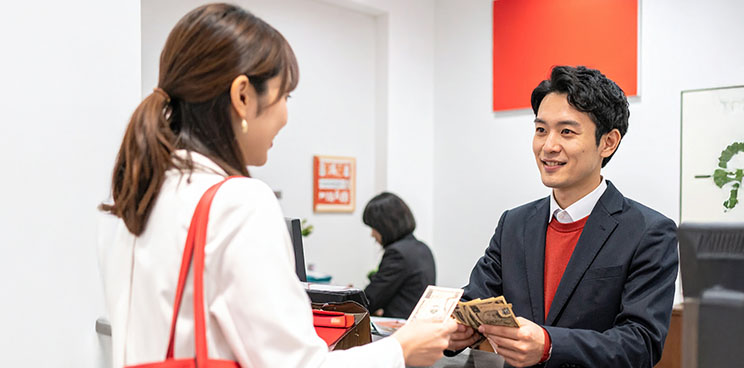
Is It Better to Exchange Your Money in the Philippines?
Traveling abroad? Discover the best places to exchange money in the Philippines and the fac...
Read more

How to Pay Your Credit Card Bills Online
Experience a smooth-flowing process the next time you pay for your credit card bill.
Read insights blog
5 Key Terms in Your Credit Card Statement You Must Know
By understanding these terms, you can effectively manage your credit card usage, avoid fees...
Read insights blog
Customer Support
For inquiries and comments, please send us a message or call our 24-hour BPI Contact Center at (+632) 889-10000.