
3 Upcycling Projects to Refresh Your Living Space
Beyond the bin: Learn how to curate a sustainable home gallery by breathing new life into forgotten materials.
Insights and blogs
Feb 05, 2026
February marks the National Arts Month and this month, we invite you to look at your surroundings not as a collection of soon-to-be-discards, but as a green canvas waiting for its second act. Here are three ways to curate your own sustainable legacy.
There is a unique beauty in the broken. A chipped ceramic heirloom or a discarded glass bottle carries a history that new items simply cannot replicate.
The Project: Instead of discarding fractured ceramics, embrace the art of the mosaic. Inlay these "shattered stories" into a minimalist concrete side table or a garden path. The juxtaposition of rough stone and glazed ceramic creates a tactile, Mediterranean-inspired centerpiece.
The Impact: You are interrupting the cycle of waste by locking non-biodegradables into a permanent, functional masterpiece.
Plastic is often seen as a pollutant, but its durability is its greatest asset when viewed through the lens of art. It is the "eternal" material of our age.
The Project: Move beyond the "recycled" look and aim for Geometric Alchemy. Clean, high-density plastic containers (like detergent or cosmetic jugs) can be precision-carved into sleek, modular sculptures. Think mid-century modern planters or avant-garde desk organizers that celebrate clean lines and bold, industrial colors.
The Impact: You are transforming a "single-use" tragedy into a "long-use" triumph, proving that sustainability can be undeniably chic.
Our wardrobes are archives of our lives, but "fast fashion" has made them feel disposable. Weaving is an ancestral Filipino skill—one we can revive to honor the planet.
The Project: Deconstruct aged denim or silk scarves into raw ribbons. Using a simple loom or a driftwood branch, weave these "textile echoes" into a dimensional wall tapestry. The frayed edges and varied dyes create a rich, organic texture that adds soul to a modern space.
The Impact: You are reclaiming the "Slow Art" tradition, keeping synthetic fibers out of our ecosystems while creating a piece with personal history.
🌿 A Masterpiece in Progress
National Arts Month reminds us that our greatest work of art is the world we leave behind. When we choose to upcycle, we aren't just making "decor"—we are practicing the art of the possible.
Catch up on the latest sustainability news and insights

3 Practical Ways to Lower Utility Bills and Conserve Energy
Discover how shifting to digital banking can help you manage your finances efficiently whil...
Read more

Eco-Friendly Guide to Early Holiday Shopping
Discover how shifting to digital banking can help you manage your finances efficiently whil...
Read more

4 Simple Ways to Build Smarter, Paperless Banking Habits
Discover how shifting to digital banking can help you manage your finances efficiently whil...
Read more
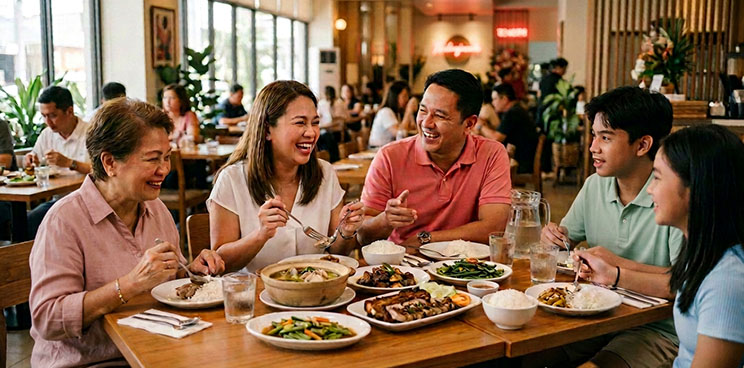
5 Sustainable Habits to Practice When Dining Out
Learn how to easily reduce food waste, avoid single-use plastics, and make mindful restaura...
Read more
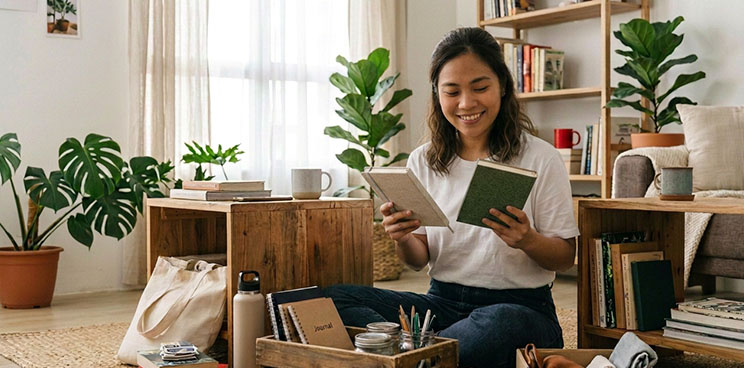
6 Everyday Things You Can Easily Borrow or Buy Used
Learn how borrowing, reusing, and buying secondhand items can help reduce was...
Read more

3 Simple Ways to Reduce Waste from Food Delivery
Discover three easy habits to reduce single-use plastics and food waste when getting takeou...
Read more